Casino Guide: How to Assess Your Odds Realistically

Casino Guide: How to Assess Your Odds Realistically
The casino world can be thrilling and full of promise. Flashing lights, jackpot bells, and stories of lucky winners can make it seem like fortune is just one spin away. But the truth is that casinos—whether in Las Vegas, Atlantic City, or online—are designed to make money, not give it away. Understanding how your odds really look is key to playing responsibly and enjoying the experience without unrealistic expectations.
Here’s a guide to help you assess your chances realistically and play with awareness and control.
Understand the House Edge
Every casino game has what’s called a house edge—the built-in statistical advantage that ensures the casino profits over time. You might win in the short term, but the math always favors the house in the long run.
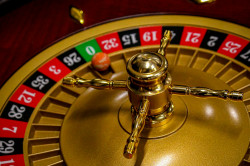
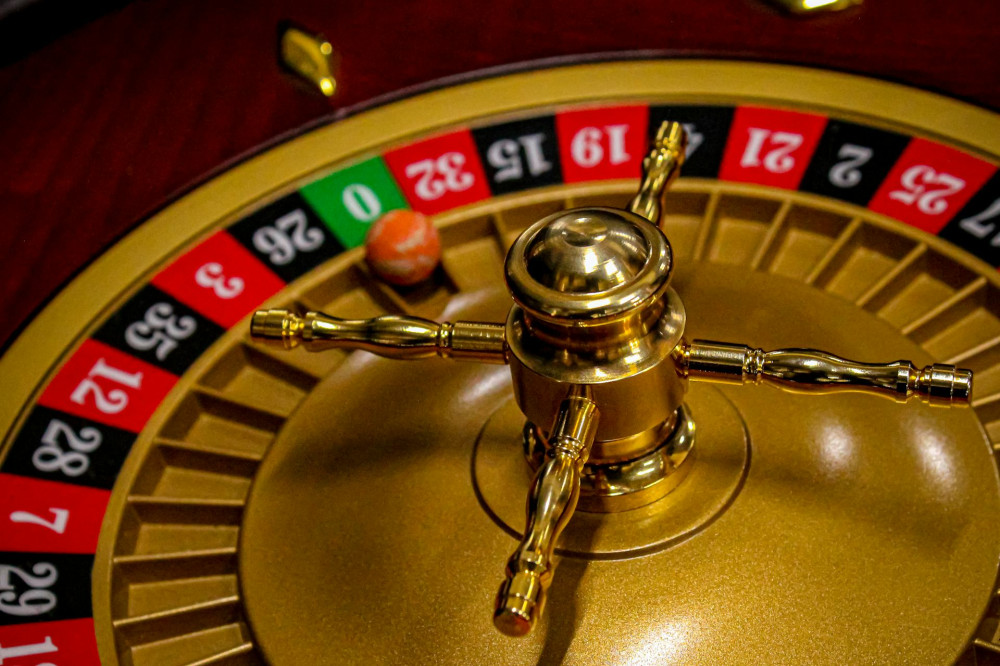
- Roulette: In American roulette, the house edge is about 5.26% because of the double zero. European roulette, which is less common in U.S. casinos, has a lower edge of about 2.7%.
- Blackjack: With perfect strategy, the house edge can drop to around 0.5%, but it rises quickly if you make mistakes or play by instinct.
- Slot machines: These typically have a return-to-player (RTP) rate between 90% and 98%. That means for every $100 wagered, you’ll get back an average of $90–$98 over time.
Knowing the house edge helps you understand that every game is structured so the casino wins slightly more than it loses—over the long haul.
Probability and Randomness – It’s Not Just About Luck
Many players believe they can “sense” when a win is coming, but casino games are based on randomness. In online games, outcomes are determined by a random number generator (RNG), ensuring that each spin or card draw is independent of the last.
This means:
- A losing streak doesn’t make a win more likely next time.
- There are no “hot” or “cold” machines.
- Systems that claim to predict outcomes don’t work.
Understanding this is crucial to realistic play—you can’t control the results, only how much you bet and when you stop.
Læs også:


Short-Term Luck vs. Long-Term Probability
In the short term, anyone can win. You might hit a jackpot on your first spin or get a lucky run at the blackjack table. But over time, the probabilities always balance out, and the house edge takes effect.
That’s why it’s important to:
- Set a budget and stick to it.
- Treat gambling as entertainment, not as a way to make money.
- Walk away while you’re ahead—because winnings can disappear just as quickly as they came.
Play with Strategy – But Without Illusions
Some games allow you to influence outcomes slightly through skill or strategy. This is especially true for games like blackjack and poker, where decisions matter. But even here, there are no guarantees.
- Blackjack: Learn basic strategy—it can reduce the house edge but never eliminate it.
- Poker: You’re playing against other players, not the house. Skill, psychology, and patience matter, but luck still plays a big role.
- Roulette and slots: No strategy can change the odds. These are pure games of chance.
Knowing which games involve skill and which rely solely on luck helps you choose what to play—and with what expectations.
Be Aware of the Psychology of Gambling
Casinos are designed to keep you playing. The lights, sounds, and near wins all create a sense of progress, even when you’re losing overall. This is known as the “near-miss effect”—when you almost win, your brain releases dopamine, encouraging you to try again.
To stay in control:
- Take breaks during play.
- Set time limits before you start.
- Monitor your emotions—if you’re chasing losses, it’s time to stop.
Realistic Gambling Is About Control
Playing realistically doesn’t mean avoiding casinos altogether—it means approaching them with awareness. Think of gambling as paying for entertainment, not as an investment or income source.
A few good rules of thumb:
- Only gamble with money you can afford to lose.
- Set both time and spending limits.
- Celebrate small wins, but don’t chase them.
- Remember: the best game is the one you can walk away from smiling—no matter the outcome.
Conclusion: Realism Leads to Better Experiences
When you understand how probability, the house edge, and psychology interact, you become a more mindful player. You can still enjoy the excitement, but without being swept away by unrealistic hopes.
Assessing your odds realistically doesn’t take the fun out of gambling—it ensures the fun lasts.
Læs også: