From Brick-and-Mortar Casinos to Online Tournaments: The Evolution of Slot Tournaments


From Brick-and-Mortar Casinos to Online Tournaments: The Evolution of Slot Tournaments
From the flashing lights of Las Vegas casino floors to digital leaderboards accessible from a smartphone, slot tournaments have undergone a remarkable transformation. What began as a local competition among players gathered around rows of machines has evolved into a global online phenomenon where technology, community, and entertainment intersect. But how did this shift happen, and what does it mean for players and operators in today’s gaming landscape?
The Early Days – Competition on the Casino Floor
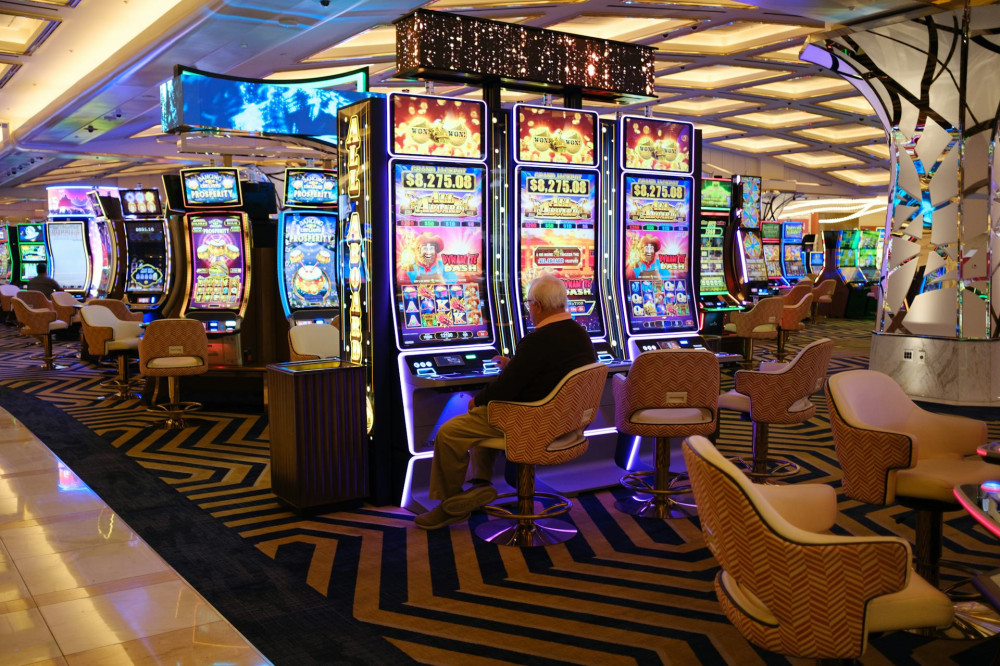
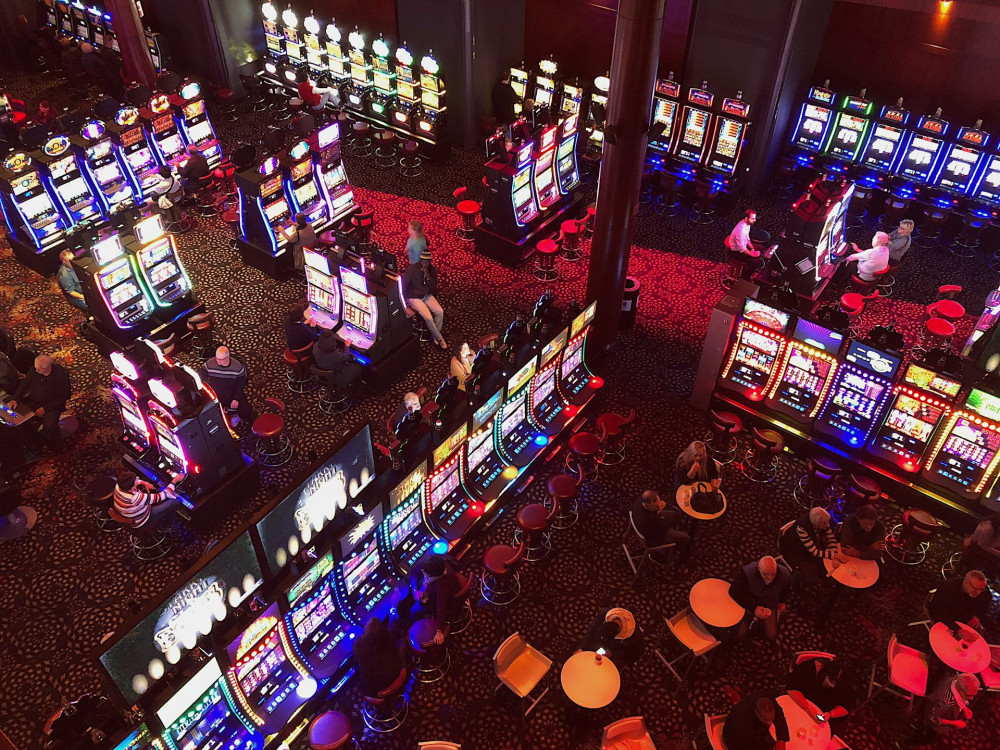
Slot tournaments first appeared in U.S. casinos during the 1980s and 1990s as a way to add excitement to traditional slot play. Instead of playing solo against the machine, participants could now compete against one another to achieve the highest score within a set time limit.
Casinos would reserve a section of identical machines for the event. Players paid an entry fee, received a fixed number of credits, and played for a specific duration—often five or ten minutes. The player with the highest total at the end won prizes that ranged from free play credits to cash rewards.
Beyond the prizes, the tournaments created a sense of camaraderie and competition that stood out from the solitary nature of regular slot play. The cheers, the countdowns, and the shared anticipation made these events a social highlight on the casino calendar.
The Digital Shift – From Machines to Screens
As online casinos began to emerge in the early 2000s, it didn’t take long for slot tournaments to find a new home on the internet. Digital platforms removed geographical barriers, allowing players from across the country—and eventually the world—to compete without ever setting foot in a casino.
Online tournaments kept the same basic concept: players spin to earn the highest score on a designated slot game. But technology added new layers of flexibility. Players could join from home, and tournaments could last for hours, days, or even weeks. Many online casinos introduced daily or weekly events with prize pools that grew as more participants joined.
Software innovation also brought live leaderboards, bonus rounds, and themed events that kept players engaged. The experience became not just about luck, but also about timing, persistence, and strategy.
Social Features and Gamification
One of the most significant changes in the evolution of slot tournaments has been the rise of social and gamified elements. Many online casinos now include chat rooms, avatars, and achievement badges that reward players for participation and performance.
This “gamification” has made tournaments more interactive and community-driven. Players can track each other’s progress in real time, cheer on friends, or challenge rivals in mini-competitions. The result is an experience that feels closer to e-sports than to traditional casino gaming.
For operators, these features have become a powerful way to build loyalty. By combining competition, rewards, and social interaction, casinos create a more dynamic and engaging environment—one that keeps players coming back.
Mobile Gaming and Accessibility
The rise of smartphones and tablets has made slot tournaments more accessible than ever. Today, players can join a tournament in seconds—whether they’re commuting, relaxing at home, or taking a break at work. Mobile platforms have enabled shorter, faster rounds that fit seamlessly into modern lifestyles.
Many operators now offer dedicated apps with real-time notifications, allowing players to track leaderboards and prize updates instantly. This convenience has turned slot tournaments into a spontaneous form of entertainment, where participation is just a tap away.
Læs også:



The Future of Slot Tournaments
The evolution of slot tournaments is far from over. Emerging technologies like virtual reality (VR) and augmented reality (AR) are already being tested to create more immersive experiences. Imagine stepping into a virtual casino where you can see and interact with other players in real time—all from your living room.
Artificial intelligence (AI) is also expected to play a growing role, personalizing tournaments by adjusting difficulty levels, rewards, and challenges based on each player’s preferences and skill level.
From their origins on the casino floor to their current digital form, slot tournaments have become a global, tech-driven competition that blends entertainment, community, and innovation. Their journey mirrors the broader transformation of gaming in the 21st century—where the thrill of the spin meets the power of connection.
Læs også: