How Hard Is It to Learn Poker? Assess the Learning Curve Before You Choose a Game

How Hard Is It to Learn Poker? Assess the Learning Curve Before You Choose a Game
Poker is one of the most popular card games in the United States—and one of the most misunderstood. Some people think it’s all about luck, while others believe it’s a game for math wizards. The truth lies somewhere in between. Learning the rules takes only a few minutes, but mastering the game can take years. That’s why it’s worth understanding the learning curve before you dive in.
The Rules Are Simple – The Strategy Is Not
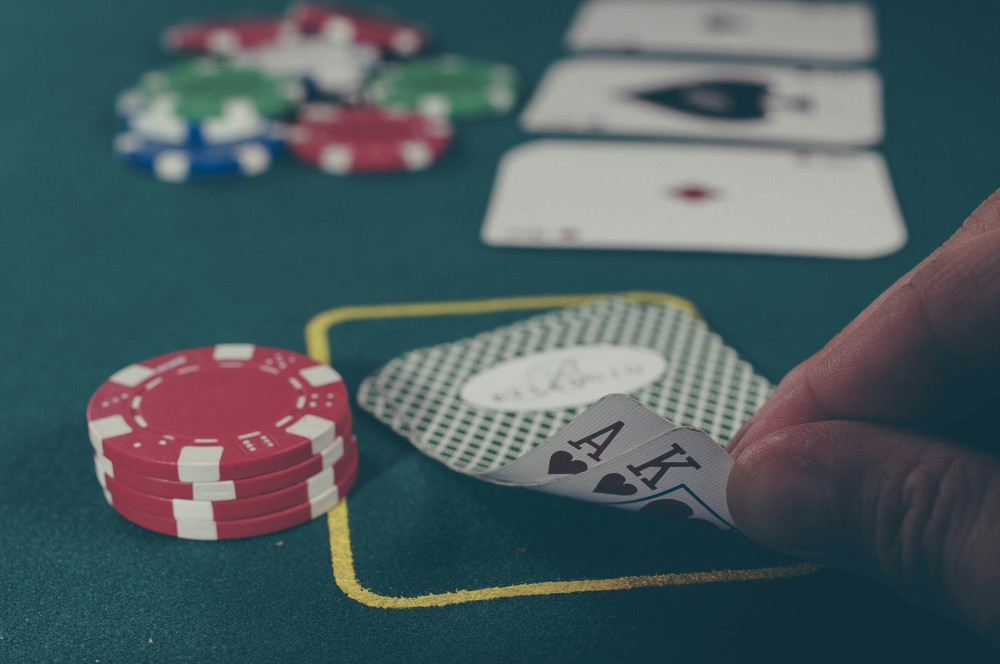
Most beginners start with Texas Hold’em, the most widely played version of poker in the U.S. Each player gets two private cards, and five community cards are dealt face up on the table. The goal is to make the best five-card hand—or convince your opponents that you have it.
You can learn the rules in an evening, but that’s just the beginning. What makes poker challenging is the depth of strategy: probabilities, position, psychology, and reading your opponents. That’s where the real game begins—and where it gets tough.
Læs også:



The First Stage: Grasping the Basics
As a beginner, your focus should be on understanding the fundamentals:
- Hand rankings – which hands beat which.
- Position – why it matters whether you act early or late in a round.
- Betting and pot odds – how to decide whether a call is worth it.
- Bankroll management – how to play responsibly and avoid losing everything in one night.
At this stage, you’ll also learn to avoid common mistakes: playing too many hands, chasing losses, or letting emotions dictate your decisions. Patience and discipline are just as important as luck.
The Next Stage: Thinking Like a Strategist
Once you’ve mastered the basics, the real learning begins. You’ll need to analyze situations, predict opponents’ moves, and adapt your strategy. Poker is unique because you’re not just playing the cards—you’re playing the people.
Experienced players study probabilities, recognize betting patterns, and understand how psychology influences decisions. It’s a process that takes time, reflection, and experience—and it never really ends.
Online vs. Live Poker – Two Different Learning Curves
Many Americans start online, where the pace is faster and you can play multiple hands per hour. That helps you gain experience quickly, but you lose the physical cues that matter in live poker. Online play teaches you to focus on betting patterns and timing instead.
Live poker, whether in a local card room or a Las Vegas casino, requires more patience but offers valuable insight into human behavior—how people act when they’re bluffing or holding a strong hand. Both formats can help you grow as a player, but they challenge you in different ways.
How Long Does It Take to Get Good?
That depends on what you mean by “good.” You can become a solid recreational player in a few months if you practice regularly and learn from your mistakes. But becoming a winning player over the long term takes much more: studying game theory, analyzing hands, and playing thousands of sessions.
Many compare poker to chess—a game you never truly finish learning. The more you play, the more you realize how much there is still to understand.
Is Poker Right for You?
If you enjoy games that mix logic, psychology, and risk-taking, poker can be a fascinating challenge. But it also demands emotional control, long-term thinking, and the ability to handle losses without frustration.
For some, that’s exactly what makes poker so rewarding: you don’t just learn about cards—you learn about yourself. For others, it may feel too demanding, especially if you’re looking for a game based purely on luck and quick results.
The Learning Curve Is Steep – But Worth It
Poker is easy to learn but hard to master. It’s a game of constant growth, where small improvements can make a big difference. If you approach it with curiosity and respect for its complexity, poker can become a lifelong pursuit—one that offers both excitement and insight along the way.
Læs også: