The Casino’s Image in Film and Popular Culture

The Casino’s Image in Film and Popular Culture
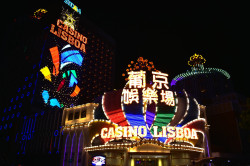
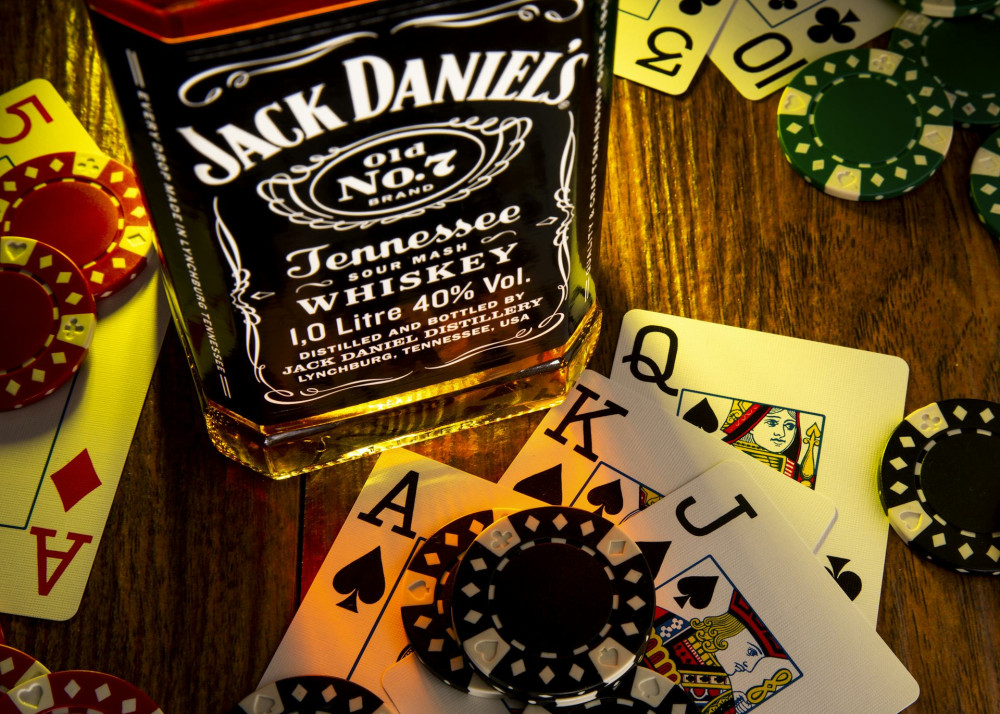
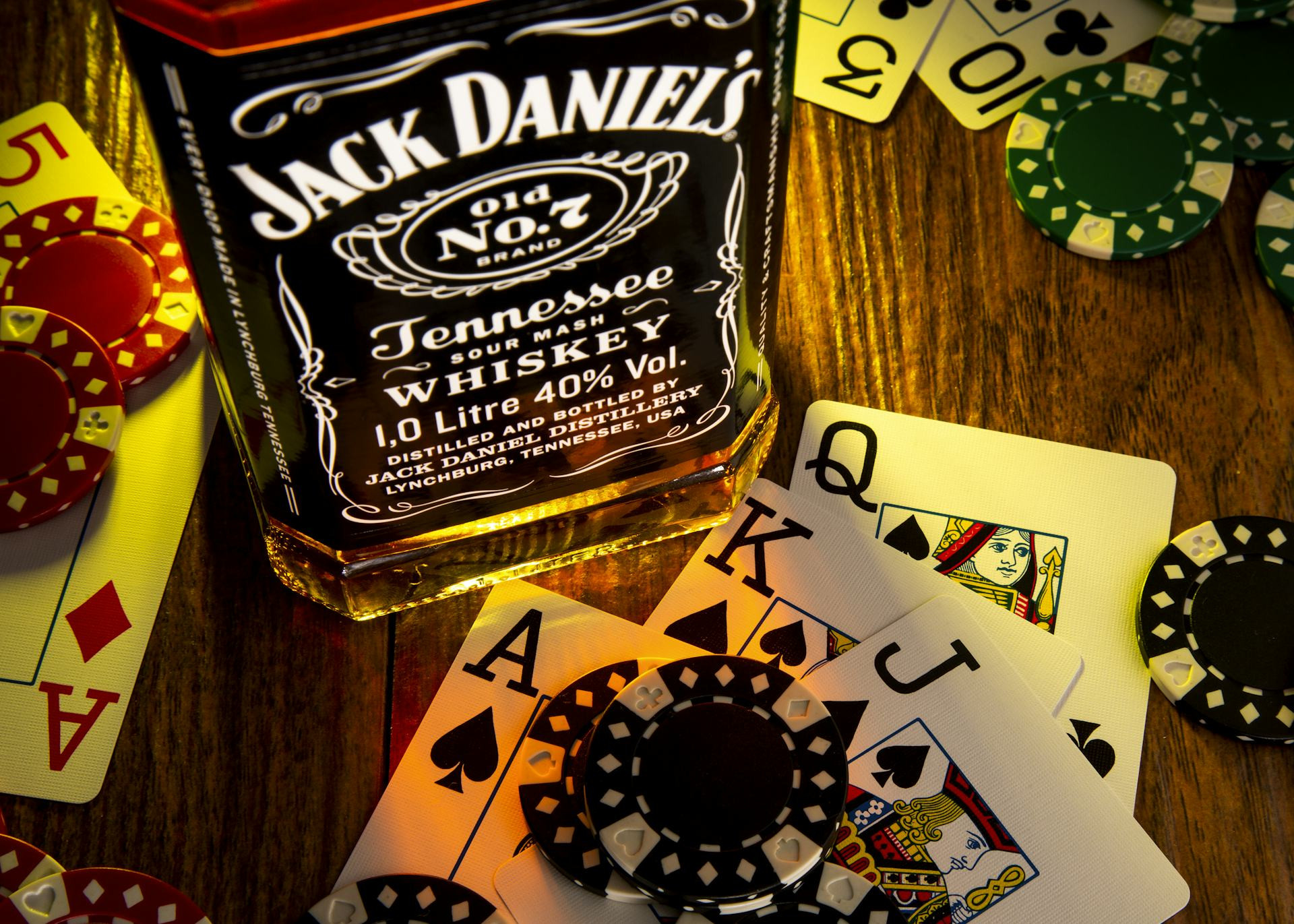
For decades, the casino has stood as one of the most recognizable symbols in film and popular culture. It represents glamour, risk, excitement—and a world where fortunes can change in an instant. From James Bond’s tuxedo-clad poker tables to the neon glow of the Las Vegas Strip, the casino has served as both a setting and a metaphor for humanity’s fascination with luck, strategy, and fate. But how has the image of the casino evolved over time, and what does it reveal about American culture?
From Luxury and Mystery to Mainstream Entertainment
In early Hollywood films, the casino was often portrayed as an exclusive and mysterious place. It was the domain of the wealthy and well-dressed, filled with cigarette smoke, champagne, and whispered secrets. Classic films like Casablanca and later Dr. No turned the casino into a symbol of sophistication and intrigue—a glamorous backdrop for romance and danger.
As gambling became more accessible, both through the rise of Las Vegas and the spread of online gaming, the image of the casino shifted. No longer reserved for the elite, it became a space for everyone seeking excitement. Televised poker tournaments and digital casinos brought the thrill of the game into living rooms across America. The focus moved from exclusivity to experience, from mystery to community.
The Casino as a Stage for Drama and Character
In many films, the casino serves as a microcosm of life itself—a place where luck can turn in a heartbeat and where true character is revealed under pressure. In movies like Casino and Ocean’s Eleven, the games are not just about money but about power, morality, and control. The casino becomes a stage where ambition, greed, and redemption play out under the glittering lights.
Filmmakers use the sensory overload of the casino—the clinking of chips, the hum of conversation, the spinning roulette wheel—to heighten tension and emotion. It’s a setting where everything feels possible, and where the line between triumph and disaster is razor-thin. That volatility makes it a perfect environment for exploring human desire and vulnerability.
Læs også:



Popular Culture’s Fascination with Chance
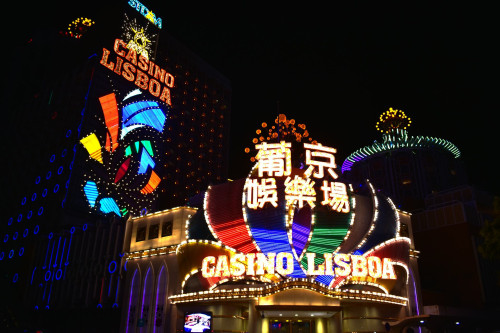
The casino’s aesthetic has influenced far more than film. Its imagery—bright lights, sequins, and the promise of fortune—has shaped music videos, fashion, and advertising. Las Vegas residencies by pop icons, from Elvis Presley to modern superstars, have turned the casino into a stage for cultural reinvention. Even video games and television shows borrow casino motifs to evoke excitement, luxury, and risk.
This fascination reflects something deeply rooted in American culture: the belief in possibility. The casino embodies the dream that anyone, regardless of background, might beat the odds. In a society built on ambition and reinvention, that dream resonates powerfully.
The Digital Era: From Roulette Wheels to Algorithms
The rise of online casinos and mobile gaming has transformed the casino’s image once again. The physical glamour of the casino floor has, in many cases, been replaced by digital convenience. Today, players can spin a virtual slot machine or join a live-streamed poker table from their couch.
Yet the myth endures. Online casinos still market themselves with images of luxury, excitement, and exclusivity. The digital casino may lack the tactile thrill of chips and cards, but it continues to sell the same promise: that luck, skill, and timing can change everything.
A Mirror of Our Time
The casino’s image in film and popular culture reflects more than a fascination with gambling—it mirrors our collective hopes, fears, and relationship with risk. Once a symbol of high society and mystery, the casino has become a metaphor for accessibility, technology, and the pursuit of possibility.
At its core, however, the meaning remains unchanged. The casino represents the timeless allure of chance—the hope that, with one bold move, we might defy the odds and win it all.
Læs også: