The Structure of the Roulette Table: One Table, Many Ways to Play

The Structure of the Roulette Table: One Table, Many Ways to Play
Roulette is one of the most recognizable casino games in the world—a blend of luck, rhythm, and anticipation wrapped in a simple yet elegant design. At first glance, the game seems straightforward: a spinning wheel, a bouncing ball, and a table full of numbers. But beneath that simplicity lies a carefully structured system that offers players countless ways to play. To truly appreciate roulette, it helps to understand how the table is organized and what kinds of bets it allows.
Two Main Types of Roulette Tables
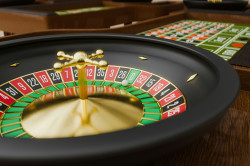
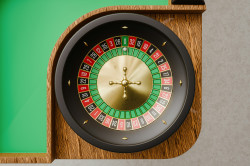
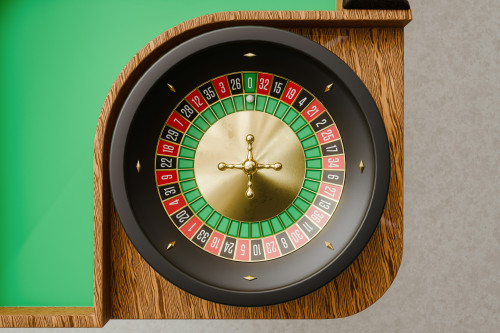
In casinos across the United States, you’ll most often encounter American roulette, but there’s also a European version that’s popular in many online and international casinos. The key difference between them lies in the wheel itself—and that difference affects the odds.
- European roulette features 37 pockets, numbered 0 through 36. The single green zero gives the house an edge of about 2.7%.
- American roulette includes an additional green pocket marked “00,” bringing the total to 38. That extra space increases the house edge to roughly 5.3%.
For players, this means the European version offers slightly better odds, while the American version delivers a faster pace and a bit more risk—something many U.S. players find exciting.
The Table Layout: More Than Just Numbers
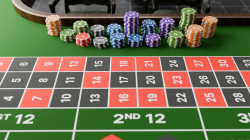
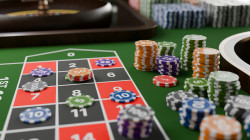
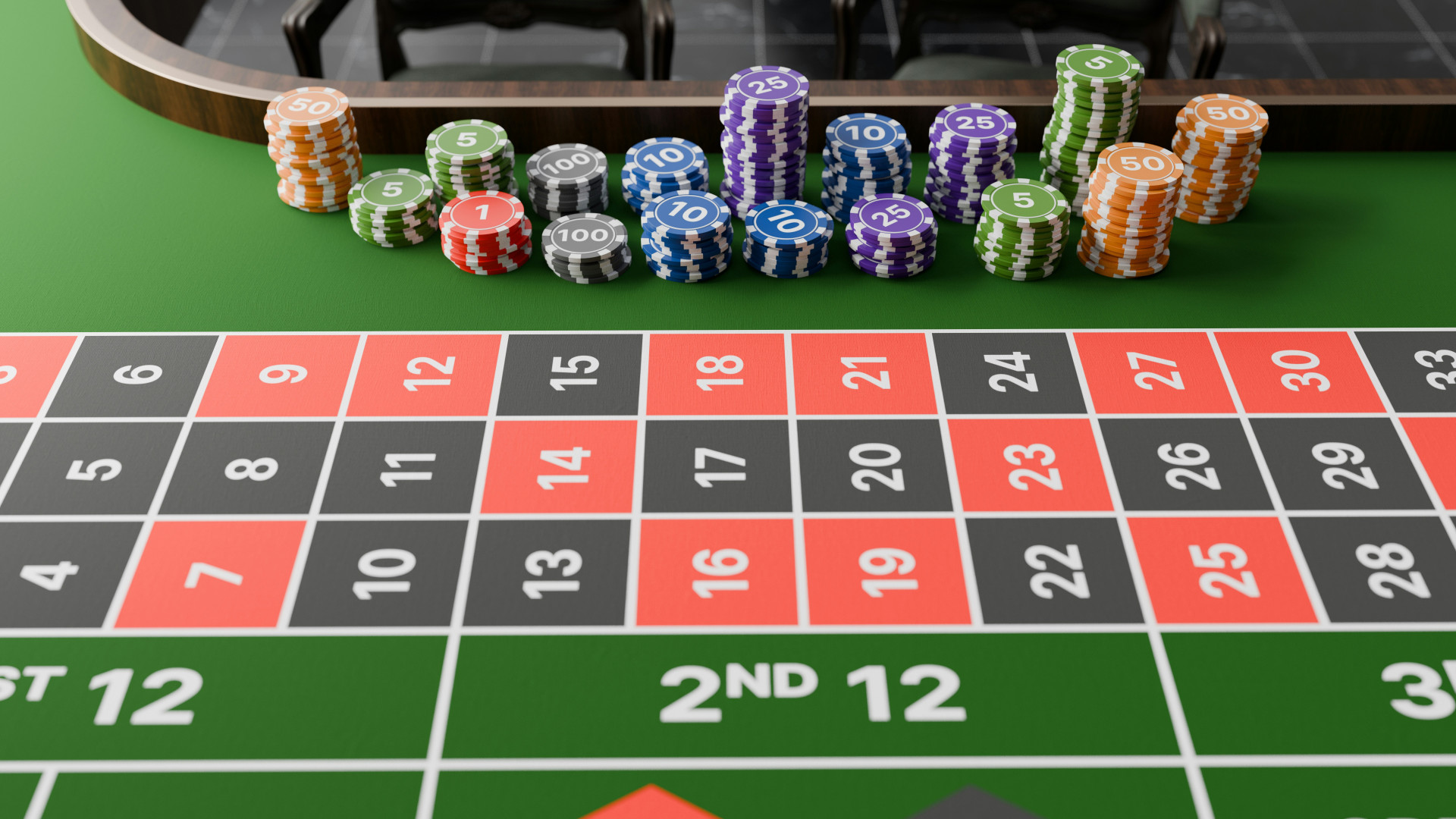
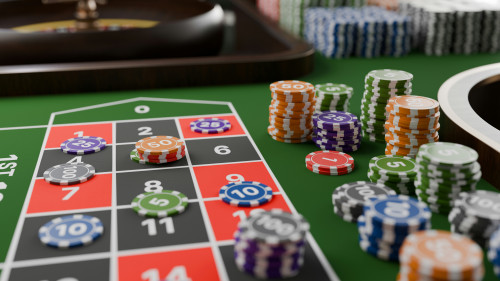
The roulette table is divided into two main sections: the inside and the outside. This division reflects the two broad categories of bets you can make.
- Inside bets are placed directly on the numbers 0–36. You can bet on a single number, a pair, or small groups of numbers by placing your chips on the lines between them. These bets have higher payouts but lower chances of winning.
- Outside bets cover larger groups of numbers, such as red or black, odd or even, or high (19–36) and low (1–18). These bets win more often, but the payouts are smaller.
This structure allows every type of player—from cautious beginners to bold risk-takers—to find a betting style that suits their comfort level.
Colors, Patterns, and the Visual Rhythm of the Game
The alternating red and black colors on the wheel aren’t just for show—they’re part of what makes roulette so visually engaging. The pattern of numbers and colors creates a rhythm that players quickly learn to follow. Some bet on colors, others on number sequences or perceived “lucky” patterns. While the outcome is always random, these personal rituals and superstitions are part of what gives roulette its charm.
The Dealer’s Role and the Flow of the Game
The dealer, often called the croupier, is the conductor of the game. They spin the wheel, release the ball, and announce the winning number. They also ensure that all bets are placed correctly and that payouts are made according to the rules.
A typical round unfolds in three stages:
- Betting phase – players place their chips on the table.
- The spin – the dealer sets the wheel and ball in motion.
- The result – the ball lands, the winning number is called, and payouts are made.
This rhythm—from anticipation to resolution—is what keeps players coming back. Each spin feels like a fresh chance at fortune.
Læs også:

Strategies and Variations
Although roulette is a game of chance, many players use betting systems to manage their wagers. Well-known strategies include the Martingale, where you double your bet after each loss, and the Fibonacci, which follows a mathematical sequence. None of these systems can change the odds, but they can help players bring structure and discipline to their play.
Modern casinos, both physical and online, offer many variations of roulette. Some feature live dealers streamed in real time, while others include special side bets or bonus rounds that add new layers of excitement.
One Table, Endless Possibilities
The roulette table is a perfect balance of simplicity and depth—a single setup that offers endless ways to play. Whether you’re drawn to the steady rhythm of outside bets or the thrill of chasing a single number, the structure of the table makes it all possible.
That’s the enduring magic of roulette: one table, many ways to play, and always another spin waiting to begin.
Læs også: