The Lottery as a Symbol in Art, Literature, and Culture Throughout History

The Lottery as a Symbol in Art, Literature, and Culture Throughout History
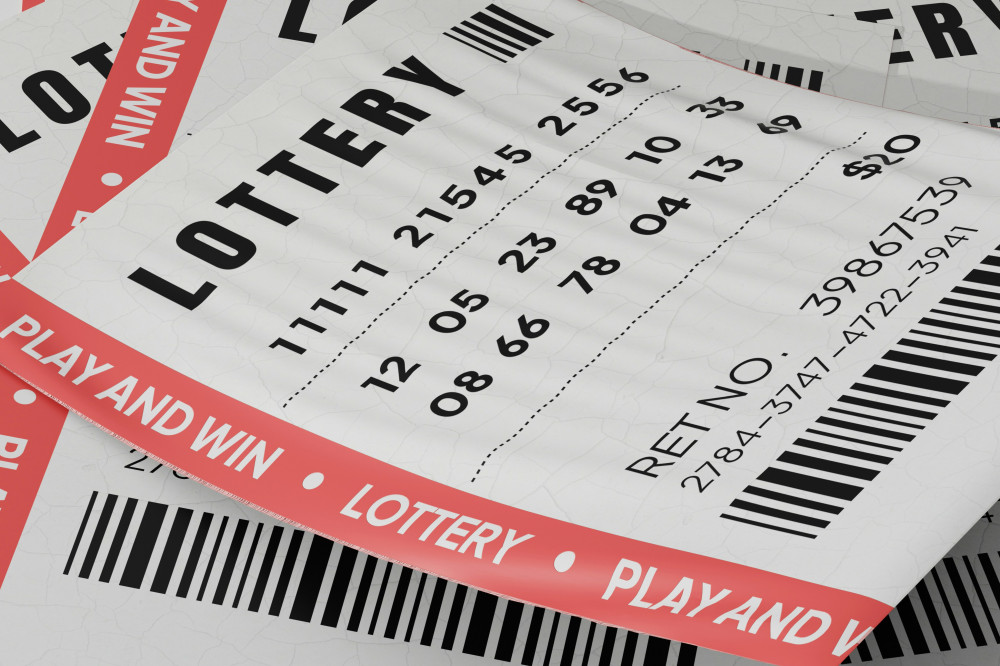
The lottery is more than a game of chance and fortune. Throughout history, it has served as a mirror of human hope, ambition, and fear—a symbol of randomness, fate, and the limits of control. From ancient myths to modern novels and films, the idea of drawing lots, of winning or losing by chance, has fascinated artists and thinkers alike. But why does the lottery continue to captivate us, and how has it evolved as a symbol across time and culture?
Fate and Chance in the Ancient World
The concept of drawing lots has deep roots in ancient civilizations. In Greek mythology, the Fates—known as the Moirai—determined the course of human lives, spinning and cutting the threads of destiny without regard for merit or desire. The Romans used lotteries in both religious rituals and public entertainment, distributing gifts or property by random draw. In these early contexts, the lottery symbolized the divine will and the unpredictable nature of existence.
This ancient understanding of chance as part of the cosmic order shaped Western thought for centuries. The lot became a metaphor for the human condition: that fortune and misfortune strike without warning, and that life’s outcomes are often beyond our control.
Læs også:


The Lottery as a Moral Mirror in Literature
In literature, the lottery has often been used to explore moral and social questions. One of the most famous examples is Shirley Jackson’s short story The Lottery (1948), in which a small American town’s annual ritual exposes the dark side of conformity and tradition. The random selection of a victim becomes a chilling symbol of collective violence and the human capacity to justify cruelty in the name of order.
Elsewhere in world literature, the lottery has represented the dream of sudden transformation. In the 19th century, writers like Honoré de Balzac and Fyodor Dostoevsky used the motif to examine greed, desperation, and the illusion of easy success. The lottery ticket becomes a fragile vessel of hope—promising liberation from poverty or obscurity, yet often leading to moral downfall. In these stories, chance is both a temptation and a test of character.
The Artist’s Fascination with Randomness
Visual artists, too, have long been drawn to the symbolism of chance. In Baroque paintings, scenes of gambling and dice-playing often served as moral allegories about vanity and fate. By the 20th century, avant-garde artists began to embrace randomness not just as a theme but as a creative method. Marcel Duchamp, John Cage, and other experimental figures used chance operations—coin tosses, random sounds, or arbitrary selections—to shape their works. In doing so, they transformed the lottery from a metaphor into a process, challenging the idea of the artist as a master of control.
This artistic embrace of unpredictability reflected a broader cultural shift: a recognition that creativity, like life itself, is partly governed by accident and uncertainty.
The Lottery in Popular Culture – The American Dream and Its Discontents
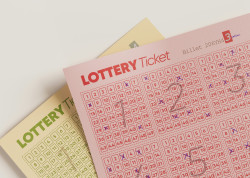
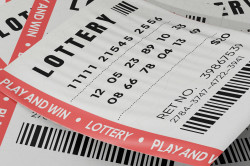
In modern American culture, the lottery has become a powerful symbol of aspiration. State lotteries, television game shows, and countless films portray the winning ticket as a ticket to freedom—a way to escape the grind of everyday life and achieve instant success. The lottery embodies the promise of the American Dream: that anyone, regardless of background, might be chosen for greatness.
Yet beneath this optimism lies a more sobering truth. The odds of winning are infinitesimal, and the fantasy of sudden wealth often masks deeper anxieties about inequality and luck. In reality TV competitions, viral fame, and social media “lotteries” of visibility, the same logic persists: anyone can win, but only a few ever do. The lottery has thus evolved into a metaphor for modern life itself—where chance, exposure, and timing can determine one’s fate as much as talent or effort.
A Reflection of Human Hope and Fear
At its core, the lottery is a paradox. It promises fairness through randomness, yet reveals how arbitrary and unjust the world can be. It offers hope for transformation, while reminding us of our powerlessness before chance. That tension—between control and chaos, hope and despair—is what keeps the symbol alive.
From ancient oracles to digital sweepstakes, the lottery continues to reflect humanity’s enduring struggle with fate. We keep buying tickets, literal or metaphorical, not only to win but to believe—to believe that luck might smile upon us, that the next draw could change everything, and that somewhere in the randomness lies meaning.
Læs også: