The Many Forms of Gain: From Financial Profit to Experiential Reward


The Many Forms of Gain: From Financial Profit to Experiential Reward
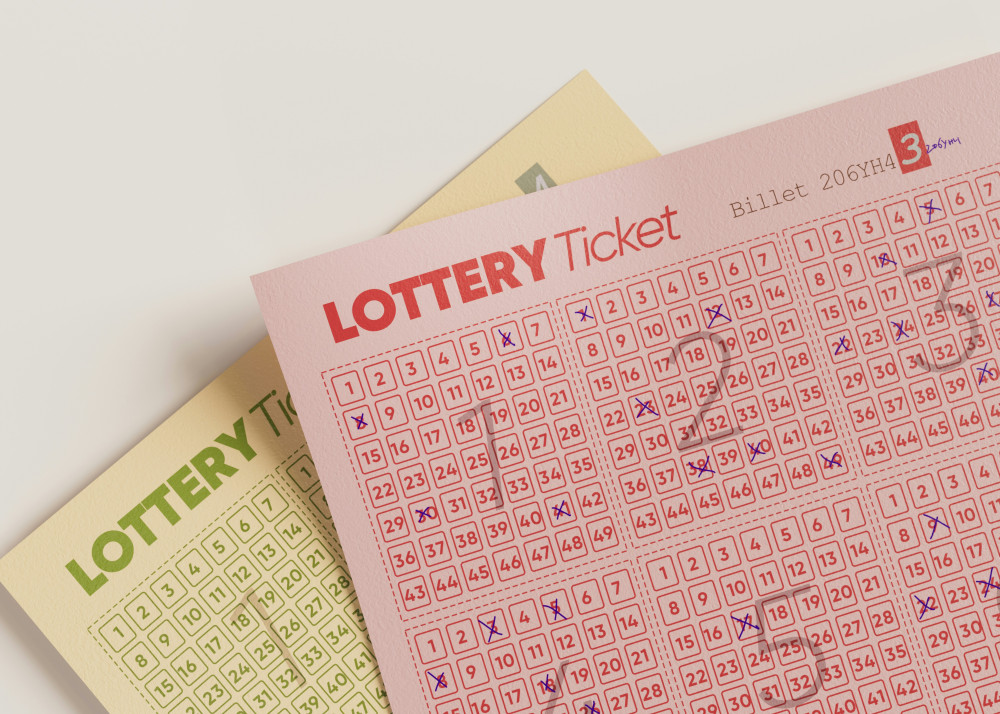
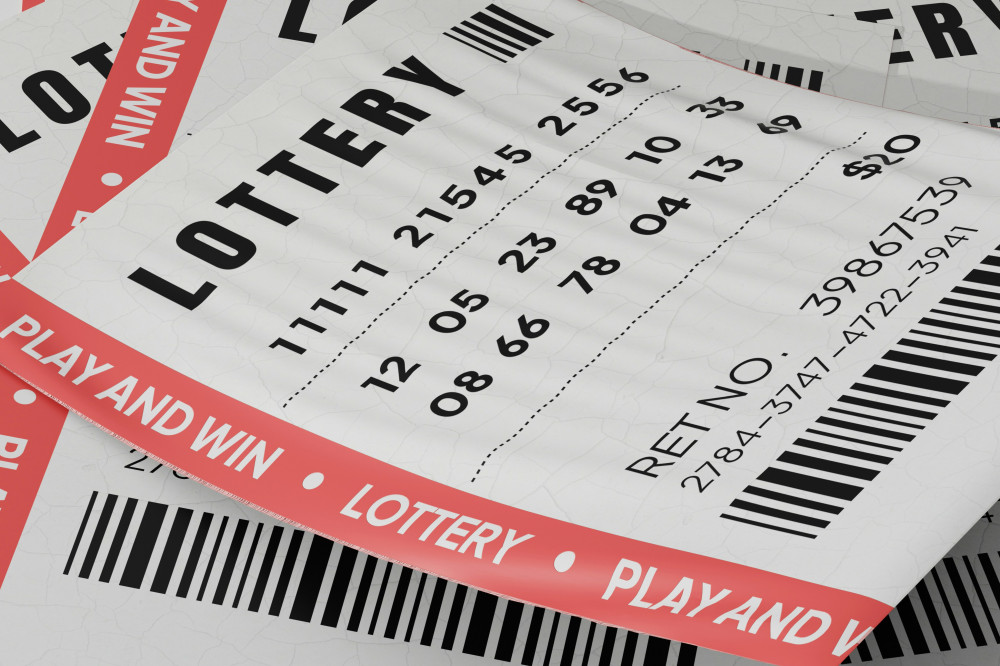
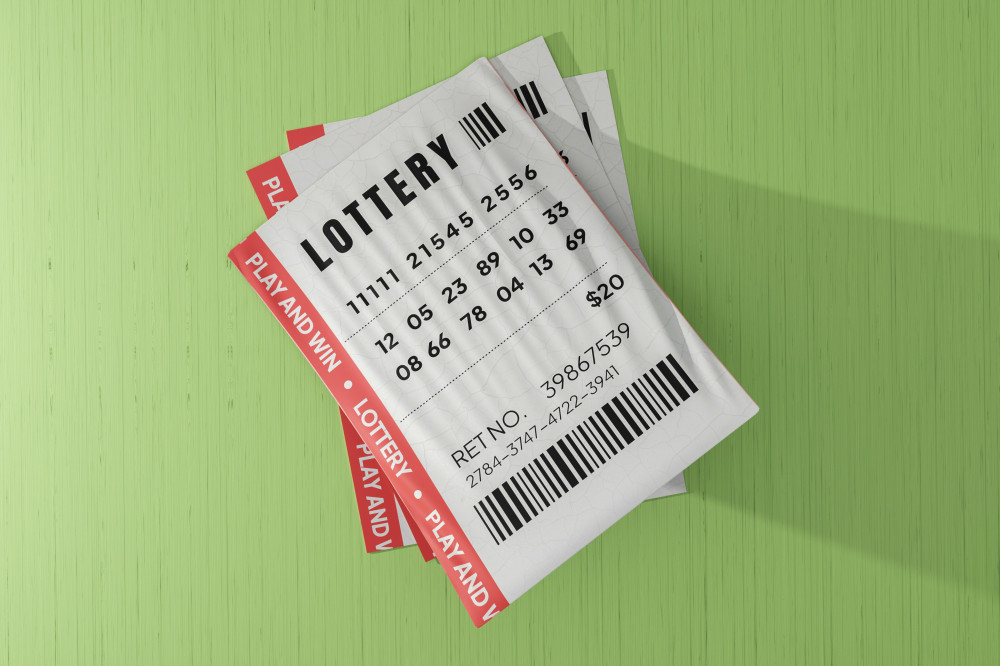
When we hear the word gain, most of us immediately think of money — a lucky lottery ticket, a successful investment, or a well-earned raise. But gain can take many forms. It can be financial, yes, but also emotional, social, or experiential. In a culture that often measures success in dollars and cents, it’s worth pausing to consider how gain can also mean growth, connection, and fulfillment.
The Classic Gain – Financial Profit
Financial gain is the most tangible kind. It can be counted, saved, and spent. A bonus at work, a profitable business venture, or a smart investment brings a sense of achievement and security. Money can open doors — to travel, education, home ownership, or simply the freedom to choose how we live.
Yet research consistently shows that the happiness boost from financial gain tends to fade over time. Once basic needs and a sense of stability are met, additional wealth contributes less to long-term satisfaction. That doesn’t make money unimportant, but it reminds us that it’s rarely the whole story.
The Experiential Gain – Value in the Moment
Another kind of gain isn’t about what we own, but what we experience. It’s the exhilaration of reaching a mountain summit, the pride of mastering a new skill, or the calm that follows a day spent outdoors. These moments don’t show up on a balance sheet, but they enrich our lives in lasting ways.
In recent years, the “experience economy” has grown rapidly in the United States, as more people choose to spend on travel, concerts, and shared adventures rather than on material goods. Experiences create memories and meaning — rewards that don’t depreciate over time.
The Social Gain – The Power of Connection
Gain can also come from our relationships. When we help a neighbor, share a meal with friends, or feel part of a community, we experience a social reward. It can’t be deposited in a bank, but it strengthens our well-being and sense of belonging.
Studies from American universities have repeatedly shown that strong social ties are among the best predictors of happiness and longevity. Whether through family, friendships, or volunteer work, feeling connected gives life a sense of purpose that no paycheck can replace.
The Personal Gain – Growth and Self-Discovery
Some gains are deeply personal. When we overcome a challenge, learn something new, or step outside our comfort zone, we experience growth. Running a marathon, finishing a degree, or simply sticking to a healthy habit can bring a quiet but powerful sense of pride.
These gains are built on effort rather than luck. They remind us that progress — even small, steady progress — can be one of life’s most rewarding forms of success.
When Gains Intersect – The Balance of a Good Life
These different kinds of gain don’t compete with one another; they often reinforce each other. Financial stability can create space for meaningful experiences, while social and personal growth can give deeper purpose to the work we do. The richest lives are often those that balance all these forms of gain.
Seeing gain as a broad concept can shift how we define success. It’s not only about winning big, but about recognizing the many small victories that shape our days — a kind word, a shared laugh, or the satisfaction of doing something that matters.
Læs også:


Gain as a Way of Living
Perhaps the greatest gain isn’t something we can measure at all. It may lie in appreciating what we already have and finding joy in the process rather than the outcome. When we understand gain as more than financial profit, we open ourselves to a fuller, more meaningful way of living — one where every experience, connection, and moment of growth adds to the wealth of being alive.
Læs også: