75, 80 or 90 Balls? How the Bingo Experience Differs

75, 80 or 90 Balls? How the Bingo Experience Differs
Bingo might look simple at first glance: numbers are called, and players mark them off on their cards. But behind those familiar grids lies a world of variation. The number of balls in play—75, 80, or 90—shapes everything from the pace of the game to the atmosphere in the room. Here’s a look at how these three popular versions differ, and which one might suit your style best.
75-Ball Bingo – The American Classic
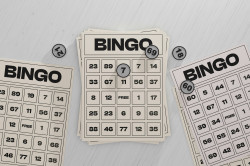
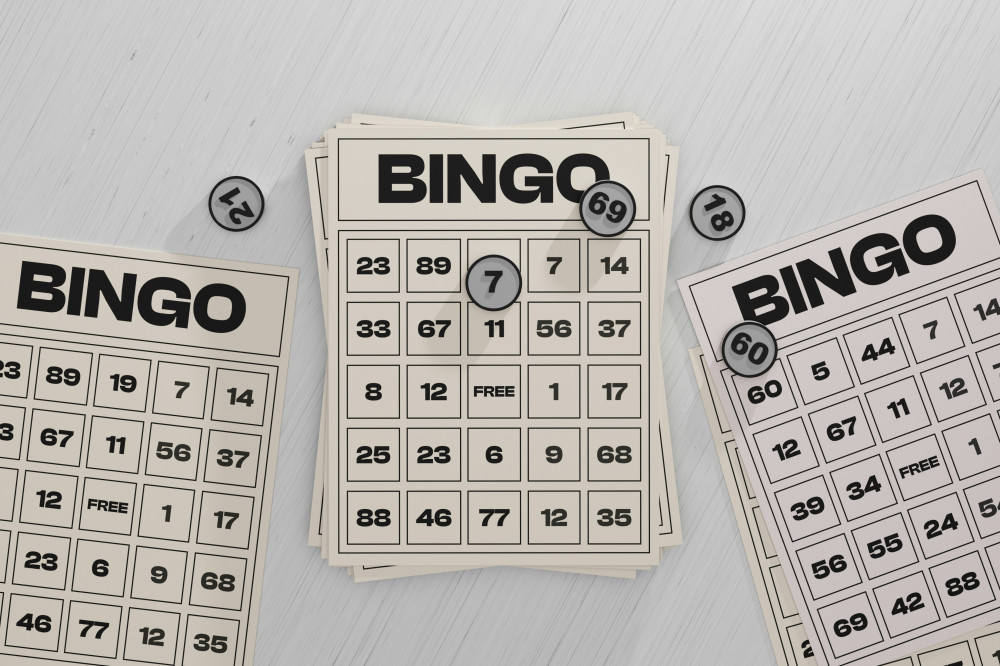
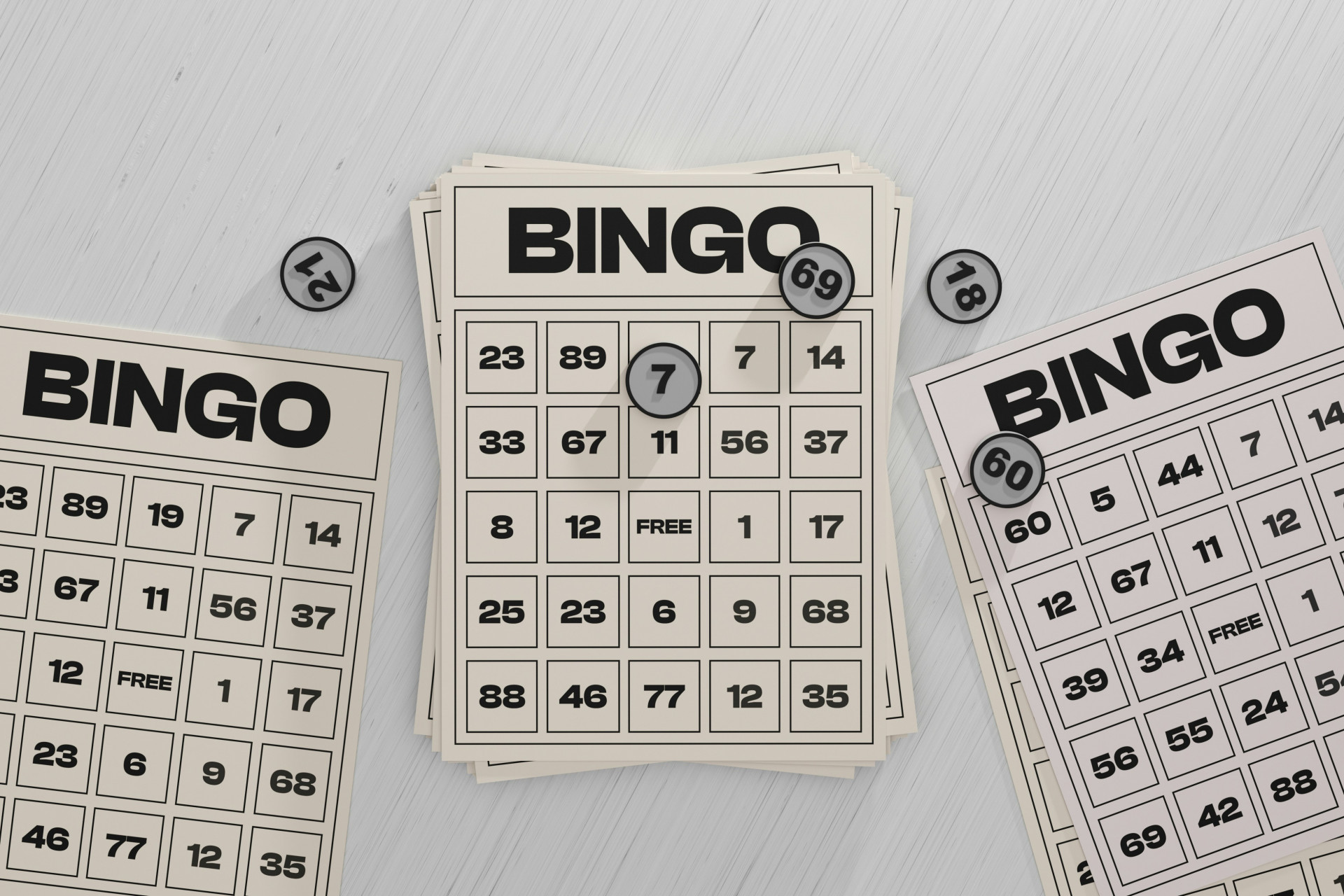
If you’ve ever played bingo in the U.S., chances are it was the 75-ball version. This is the traditional American format, played on a 5x5 grid with the letters B-I-N-G-O across the top. The center square is usually a “free space,” and the numbers range from 1 to 75.
What makes 75-ball bingo unique is the variety of patterns you can play for. Some games reward a simple straight line, while others challenge players to complete shapes like crosses, diamonds, or letters. This keeps the game fresh and adds a touch of strategy to the mix.
The pace is moderate—fast enough to stay exciting, but not overwhelming. It’s a favorite in community halls, charity events, and online bingo rooms across the U.S., where bonus rounds and themed patterns often add extra fun.
80-Ball Bingo – The Modern Middle Ground
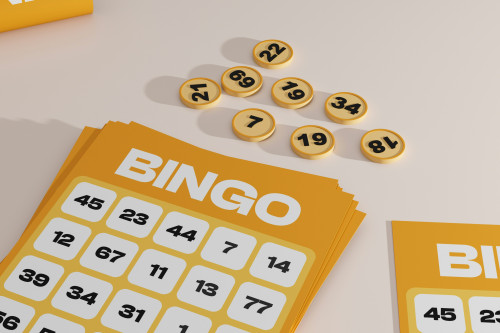
80-ball bingo is a newer twist that’s become especially popular online. It’s played on a 4x4 grid, with numbers from 1 to 80. Each column is color-coded, making it easy to follow along as numbers are called.
This version moves a bit faster than 75-ball bingo but remains easy to grasp. The winning patterns are usually straightforward—rows, columns, corners, or a full card—so new players can jump right in without much explanation.
Many fans see 80-ball bingo as the perfect balance between speed and simplicity. It’s modern, colorful, and ideal for players who want a quick, engaging game without too many rules to remember.
Læs også:


90-Ball Bingo – The British Favorite
Across the Atlantic, 90-ball bingo reigns supreme. This version is the standard in the U.K. and much of Europe. The cards have three rows and nine columns, with five numbers and four blank spaces per row. The numbers range from 1 to 90.
What sets 90-ball bingo apart is its three stages of winning: one line, two lines, and a full house. That means multiple players can win during a single game, building excitement as the final prize draws near.
The pace is a bit slower, which gives players time to chat and enjoy the social side of bingo. Whether in a lively bingo hall or an online community, 90-ball bingo is as much about camaraderie as it is about competition.
Which Version Is Right for You?
Choosing between 75, 80, and 90 balls comes down to your personality and what kind of experience you’re after.
- Love variety and creative patterns? Go for 75-ball bingo.
- Want a fast, colorful game that’s easy to follow? Try 80-ball bingo.
- Prefer a relaxed, social atmosphere with multiple chances to win? 90-ball bingo is your match.
Many players switch between versions depending on their mood—and that’s part of bingo’s charm. It’s a game that adapts to you.
The Common Thread – Fun and Connection
No matter how many balls are in play, bingo brings people together. It’s easy to learn, open to everyone, and full of anticipation with every number called. That mix of luck, laughter, and community is what keeps bingo thriving—whether you’re playing in a local hall, at a fundraiser, or online with friends.
So next time you grab your bingo card, ask yourself: will it be 75, 80, or 90 balls today?
Læs også: