Learn the Language of Bingo: Use a Guide to Understand the Game’s Symbols and Terms

Learn the Language of Bingo: Use a Guide to Understand the Game’s Symbols and Terms
Bingo is a game that blends excitement, community, and a good dose of luck. But for newcomers, it can sound like a language of its own—filled with numbers, patterns, and phrases that fly around as the balls roll. What does “coverall” mean? What’s the difference between 75-ball and 90-ball bingo? And why do people shout “Bingo!” so enthusiastically? This guide will help you understand the language of bingo so you can follow along—and maybe even call out a winning “Bingo!” yourself next time.
The Basics of Bingo
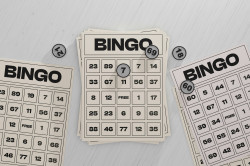
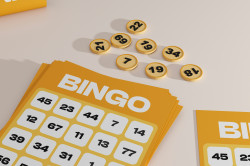
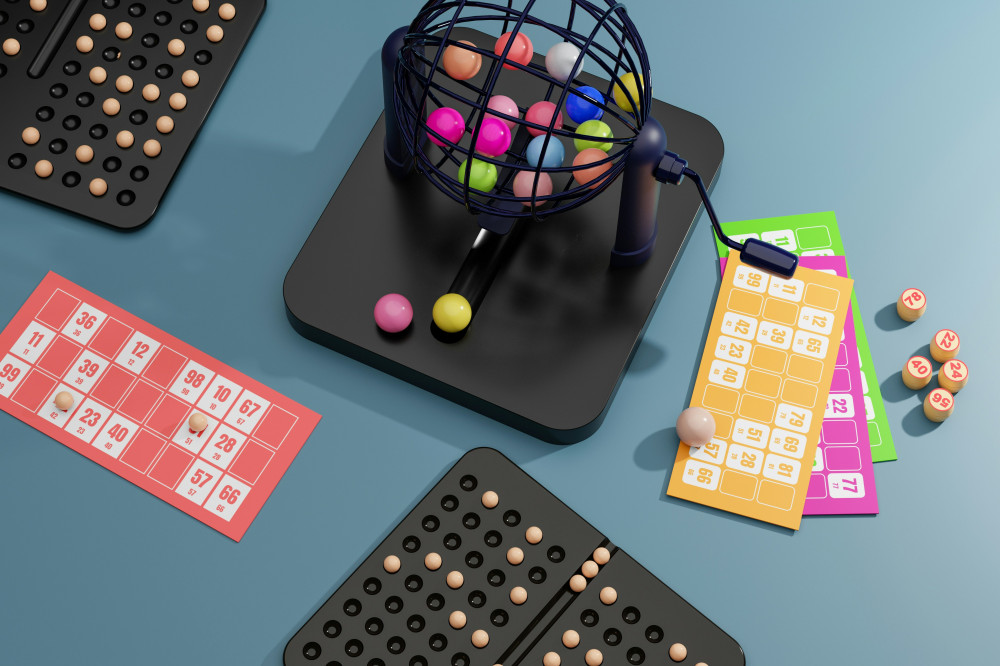
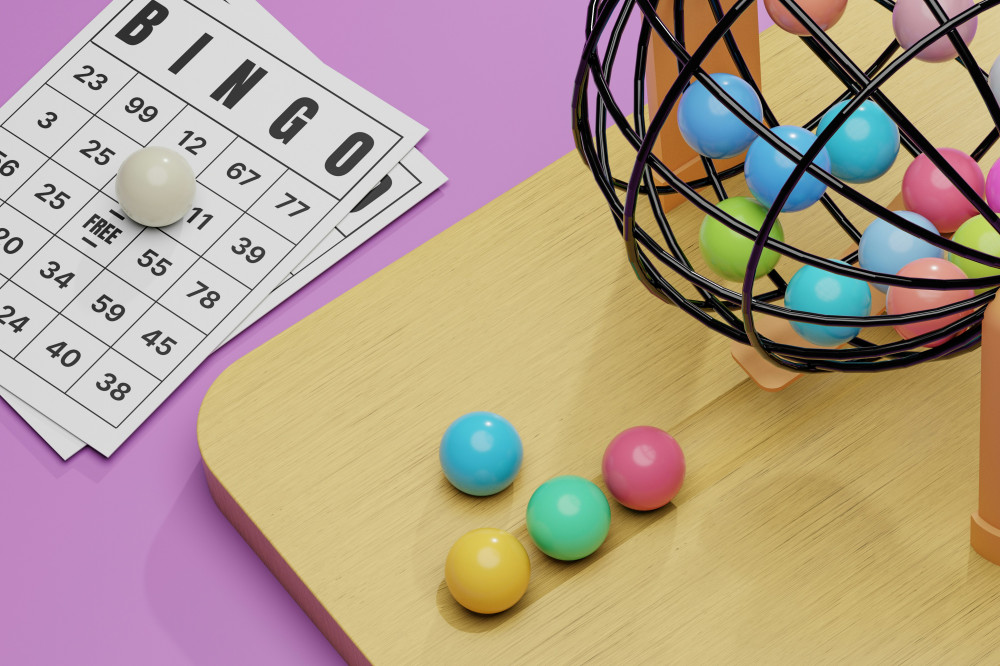
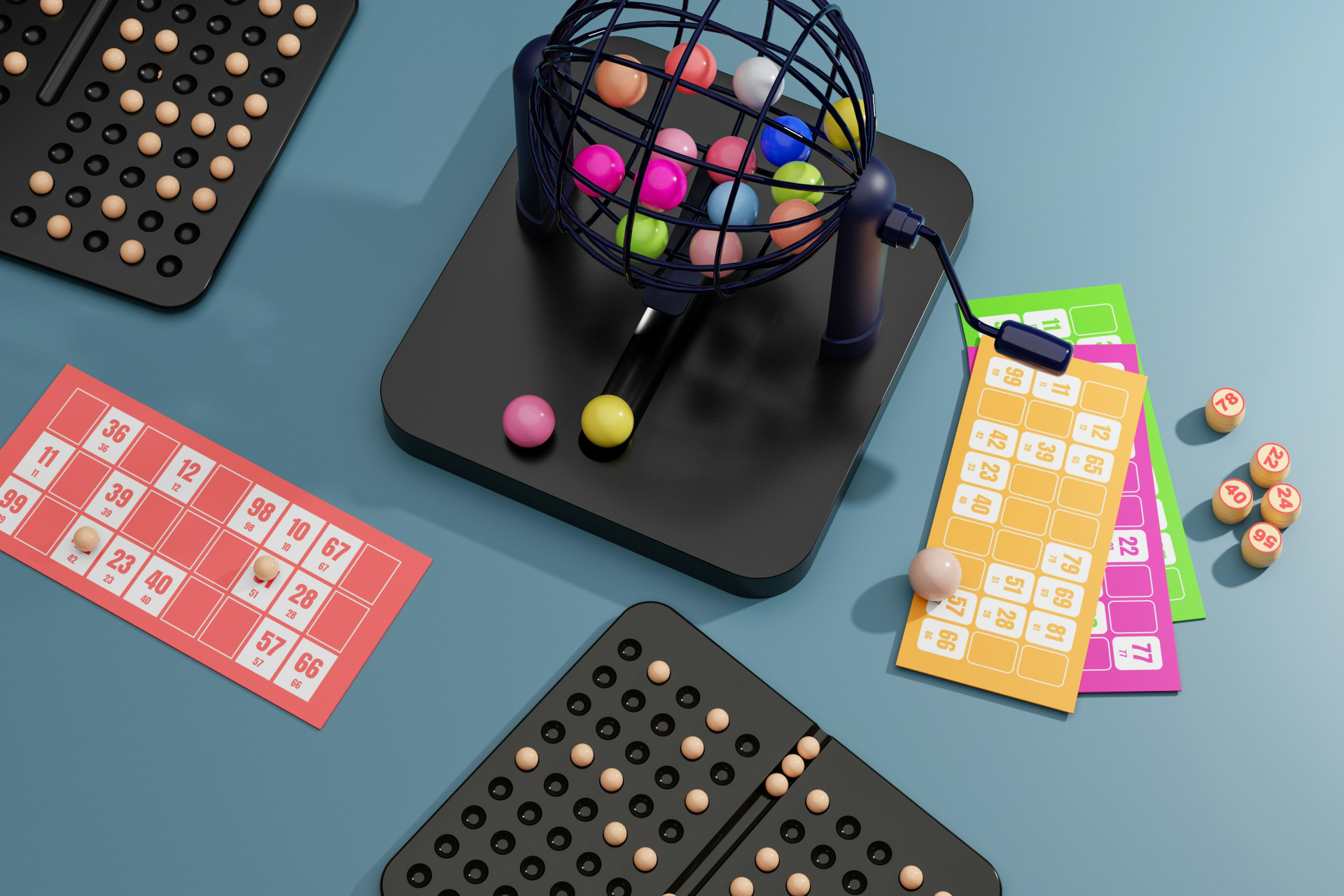
At its core, bingo is about matching numbers on your card to those called out during the game. Each player has a card with a grid of random numbers, and the goal is to complete a specific pattern—such as a line, a shape, or the entire card—depending on the game’s rules.
There are several versions of bingo, but the most common ones are:
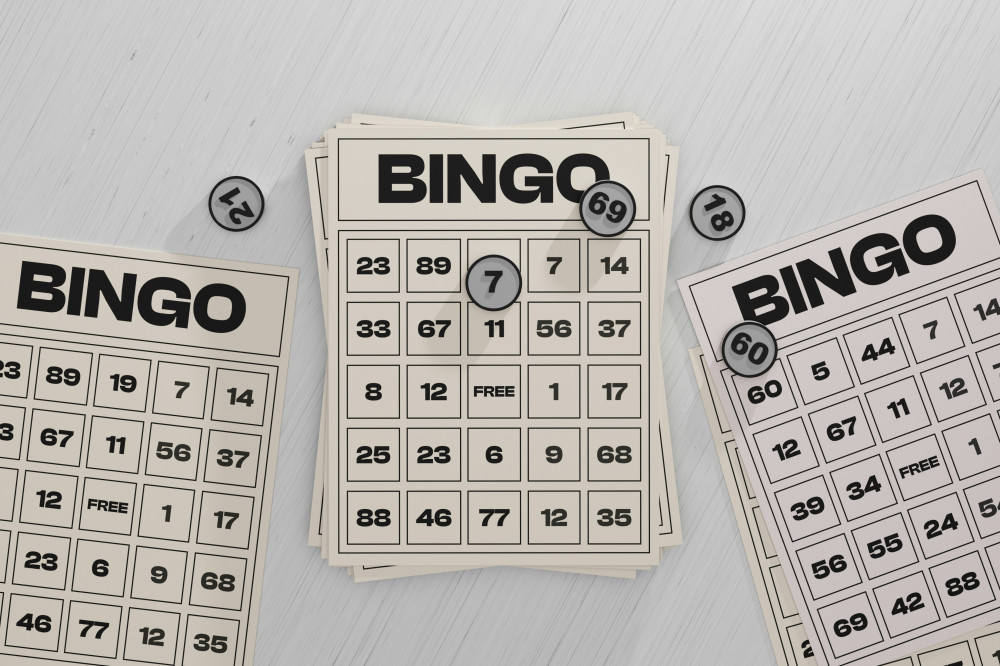
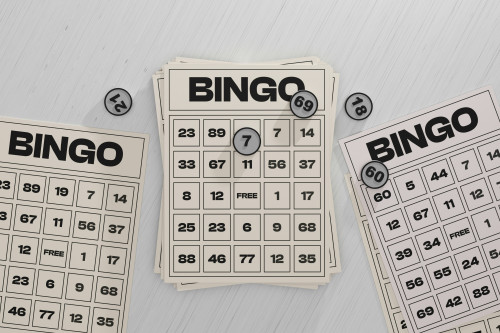
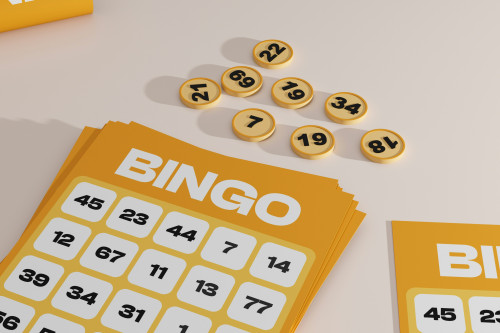
- 75-ball bingo – the classic American version. The card has a 5x5 grid with the letters B-I-N-G-O across the top.
- 90-ball bingo – more popular in the UK and some online rooms. The card has 3 rows and 9 columns with 15 numbers in total.
- 30-ball bingo – a fast-paced version often called “speed bingo,” played on a 3x3 grid.
While the formats differ, the principle is the same: match the numbers called to those on your card before anyone else does.
Key Terms Every Player Should Know
When you play bingo—whether in a hall, at a fundraiser, or online—you’ll hear a few key terms again and again. Here are some of the most common:
- Line – when you’ve marked all the numbers in a horizontal row.
- Two lines – in 90-ball bingo, this means you’ve completed two of the three rows.
- Coverall (or Full House) – when every number on your card is marked. This usually wins the biggest prize.
- Caller – the person (or automated voice) announcing the numbers.
- Dauber – the ink marker used to mark your numbers on paper cards.
- Jackpot – a special prize, often awarded if you complete a pattern within a certain number of calls.
- Pattern – the specific shape or design you need to complete to win, such as a cross, diamond, or letter.
Knowing these terms helps you follow the action and recognize when you’ve actually won.
Bingo Symbols and Patterns
Modern bingo—especially online—often features creative patterns and symbols to keep the game fresh. Instead of just playing for a line or coverall, you might be asked to complete a specific design on your card.
Some popular patterns include:
- Diagonal – a line from one corner to the opposite corner.
- Four Corners – mark all four corners of the card.
- Letter Patterns – such as an “X,” “T,” or “L.”
- Themed Patterns – special designs for holidays or events, like hearts for Valentine’s Day or trees for Christmas.
These patterns make the game more dynamic and encourage players to watch the entire card, not just one row.
The Social Side of Bingo
Bingo isn’t just about numbers—it’s also about people. Whether you’re in a local bingo hall or chatting online, there’s a strong sense of community. Players often use short phrases or abbreviations to connect with each other, especially in online chat rooms.
Here are a few you might see:
- GL – “Good Luck.”
- WTG – “Way To Go,” a way to congratulate someone.
- BRB – “Be Right Back.”
- LOL – “Laughing Out Loud,” when someone makes a funny comment.
Learning these expressions helps you join in the fun and feel part of the bingo community.
Bingo Numbers with Personality
In traditional British bingo, many numbers have nicknames that make the game more entertaining. For example, 11 is sometimes called “legs eleven” because the digits look like a pair of legs, and 22 might be “two little ducks.” While this tradition isn’t as common in American bingo, you might still hear a few of these playful calls at themed events or charity games. They add humor and personality to the experience.
Læs også:


How to Get Comfortable with Bingo’s Language
The best way to learn bingo’s language is simply to play. Start with a slower-paced game so you can follow along easily, and listen carefully to how the numbers and patterns are called. Over time, you’ll pick up the rhythm and the lingo naturally.
You can also:
- Read the rules before you start, especially if you’re trying a new version.
- Watch experienced players—in person or online—to see how they play.
- Join the chat in online games to learn common abbreviations and phrases.
- Try free games offered by many online platforms to practice without pressure.
Once you get the hang of it, the language of bingo becomes second nature—and the game becomes even more enjoyable.
A Game of Tradition and Togetherness
The language of bingo is more than just words and symbols—it’s part of the game’s culture. It connects players across generations and backgrounds, whether they’re playing in a local hall, at a community fundraiser, or on a smartphone app.
So next time you hear “B-12!” or see someone shout “Bingo!” with excitement, you’ll know exactly what’s happening—and you’ll be ready to join in the fun.
Læs også: