From Colonies to Continents: Bingo’s Journey Through History

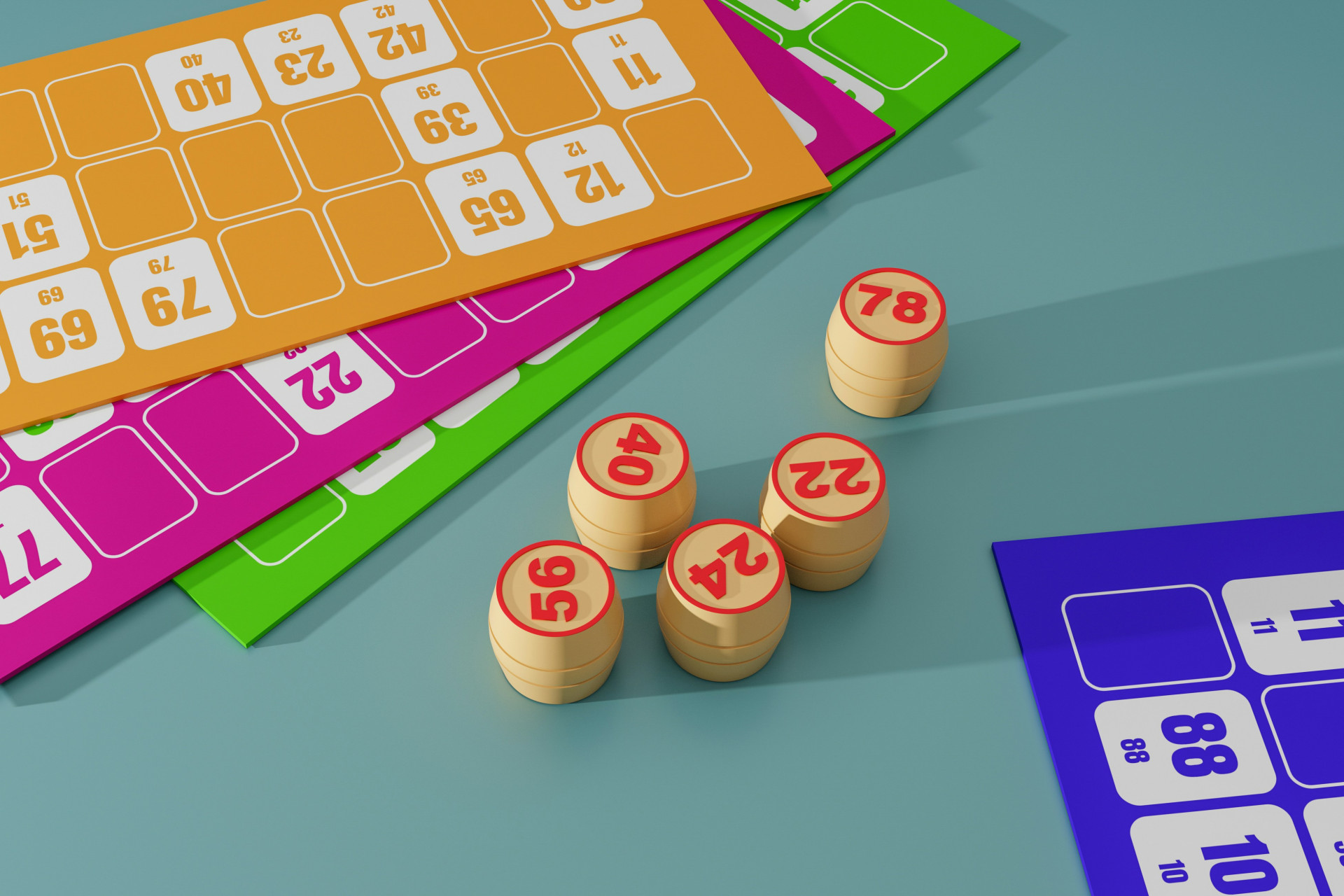
From Colonies to Continents: Bingo’s Journey Through History
Today, bingo is often associated with community halls, charity fundraisers, and online entertainment. But behind the numbered cards and the familiar call of “Bingo!” lies a surprisingly rich and global history. From Renaissance Italy to modern digital platforms, the game has traveled across continents and centuries—changing its form, purpose, and meaning along the way.
From Italian Lotteries to Colonial Classrooms
Bingo’s story begins in 16th-century Italy, where a popular lottery game called Il Gioco del Lotto d’Italia captured the imagination of both nobles and commoners. The game spread to France and Germany, where it evolved into new versions with educational and social purposes. In Germany, for instance, teachers used it to help children learn numbers, spelling, and even history—a precursor to the educational bingo games we know today.
As European powers expanded their empires, the game traveled with missionaries, teachers, and settlers. In colonial schools, it was sometimes used as a teaching tool to introduce Western languages and religious concepts. In this way, bingo became part of the cultural exchange—sometimes voluntary, sometimes imposed—that defined the colonial era.
The American Transformation
The version of bingo most familiar to Americans took shape in the early 20th century. Traveling carnivals introduced a game called “Beano,” where players marked their cards with dried beans. According to legend, one excited player accidentally shouted “Bingo!” instead of “Beano,” and the name stuck.
In the 1930s, a New York toy salesman named Edwin S. Lowe popularized the game nationwide. Churches and charitable organizations quickly adopted it as a way to raise funds, and bingo nights became fixtures of community life. For many Americans, bingo was more than a game—it was a social ritual, a place where neighbors gathered, friendships formed, and generations connected.
From Church Halls to Television and the Internet
After World War II, bingo spread far beyond the United States. In Britain, it became a staple of local clubs and community centers. In Canada and Australia, it found similar popularity. By the 1960s, bingo halls were thriving across the English-speaking world, offering affordable entertainment and a sense of belonging.
The late 20th century brought new transformations. Television game shows introduced bingo-inspired formats with big prizes and celebrity hosts, turning the humble pastime into pop culture. Then came the internet revolution. In the 1990s, online bingo sites emerged, allowing players to join virtual rooms, chat with others, and play for real or virtual prizes. What began as a local pastime became a global digital community.
Læs også:


A Game That Adapts to Its Time
Bingo’s enduring appeal lies in its adaptability. Today, you can find eco-friendly bingo events, themed nights with music and food, and mobile apps that blend gaming with social networking. For many players, the joy of bingo isn’t just in winning—it’s in connecting with others, whether across a table or across the world.
Younger generations are rediscovering the game through fast-paced online versions and colorful mobile designs. Bingo has even found a place in pop culture festivals and bars, where it’s reinvented with humor and creativity. The game’s ability to evolve shows that even a centuries-old pastime can thrive in the digital age.
From Colonies to Continents – A Global Heritage
Bingo’s journey mirrors the broader story of globalization. It began as an Italian lottery, became a teaching tool in colonial classrooms, a social cornerstone in American towns, and now a digital pastime shared by millions worldwide. Each era has left its mark, turning bingo into more than just a game—it’s a reflection of human connection and cultural exchange.
Today, bingo stands as both tradition and innovation. It has survived changing times, technologies, and societies, continuing to bring people together across generations and borders. From colonies to continents, bingo’s story reminds us that even the simplest games can carry the weight of history—and the joy of community.
Læs også: